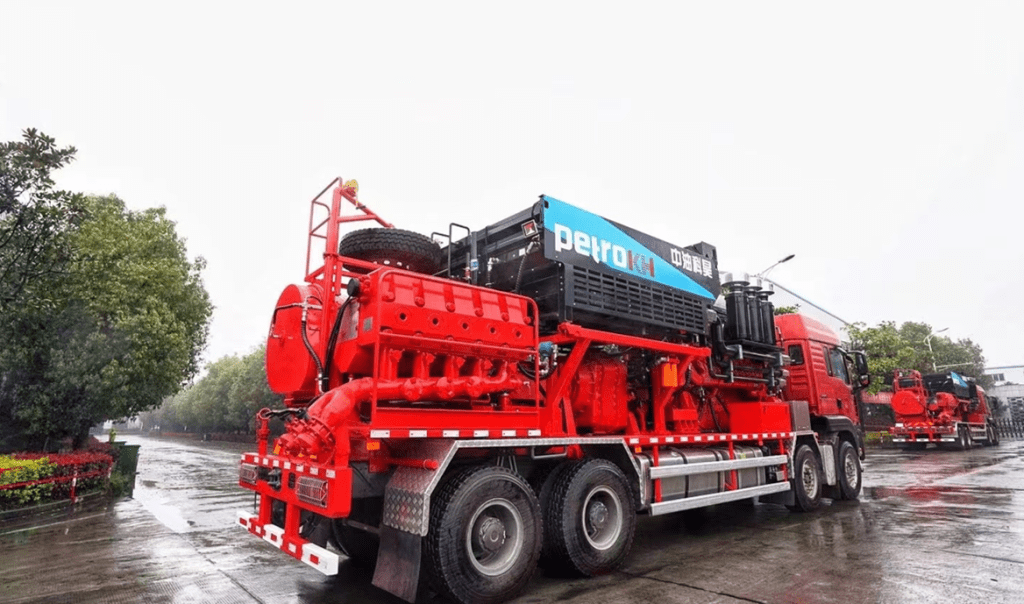
For a used diesel generator buyer, a shipping photo is not decoration. It is one piece of proof in a chain: stock confirmation, condition check, inspection record, loading preparation and export paperwork. When the order value is high and the buyer is not standing in the yard, that chain matters.
The mistake is to treat a photo as either complete proof or useless marketing. It is neither. A good export photo can help a buyer confirm that a real unit or heavy industrial package is being prepared. It cannot, by itself, prove power rating, frequency, load-test result or final document status. Serious buyers should ask for the right file set, not just more images.
What loading proof can confirm
Loading or transport photos can confirm that the supplier is working with real equipment, that the unit is physically accessible, and that export preparation has moved beyond a catalog discussion. They may also show the general scale of the generator, transport condition, packaging approach and whether the unit matches the visual type discussed during quotation.
For dealers, these files are useful when downstream buyers ask whether the supplier has handled similar export orders. For project buyers, they help procurement teams keep a record before shipment, especially when the buyer cannot inspect the equipment on site.
What photos cannot prove by themselves
A transport photo does not replace technical checking. It does not prove the actual kW rating, 50Hz or 60Hz configuration, alternator condition, controller status, running hours or load-test performance. A buyer still needs nameplate photos, model information, controller or alternator details where available, and inspection notes before treating a used generator as suitable for a project.
This is where many rushed purchases go wrong. A buyer sees a convincing export image, accepts a low price, and only later discovers that the offered unit does not match the required frequency, voltage or application. The photo should support the technical file; it should not replace it.
The file set buyers should request before shipment
Before shipment, a buyer should ask for current unit photos, nameplate photos, condition notes, inspection or testing information where available, loading preparation photos and the agreed commercial terms. For a CIF quote, the destination port also needs to be clear before freight is discussed seriously.
Dealers with repeat demand should keep this request format consistent. It makes the supplier’s response faster and reduces the chance of mixing old catalog photos with current stock. If a unit is selected from a warehouse list, the buyer should ask the supplier to connect the photos and documents to that specific model or serial reference where possible.
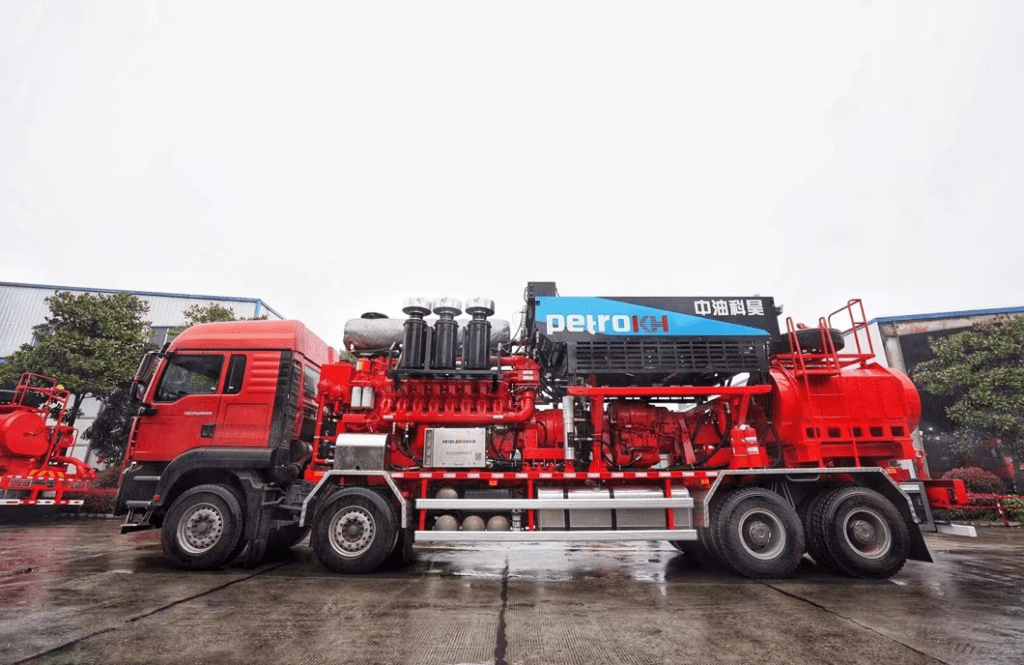
How HXH Power uses proof files in buyer communication
HXH Power can use warehouse photos, unit details, inspection notes and export preparation images to help buyers qualify a used generator order before shipment. The useful starting point is still the buyer’s requirement: brand or model, kW range, frequency, voltage, quantity, destination country and port, and whether the buyer needs standby, prime-use or resale stock.
Buyers can review available categories on the products page, compare application fit on the solutions page, and see proof-oriented company context on the projects page. Dealers can request a stock pack through the dealer page. For a specific shipment or CIF quotation, send model range, power range, frequency, quantity and destination port through the contact page.